 THE AFRICAN COURIER. Reporting Africa and its Diaspora! The African Courier is an international magazine published in Germany to report on Africa and the Diaspora African experience. The first issue of the bimonthly magazine appeared on the newsstands on 15 February 1998. The African Courier is a communication forum for European-African political, economic and cultural exchanges, and a voice for Africa in Europe.
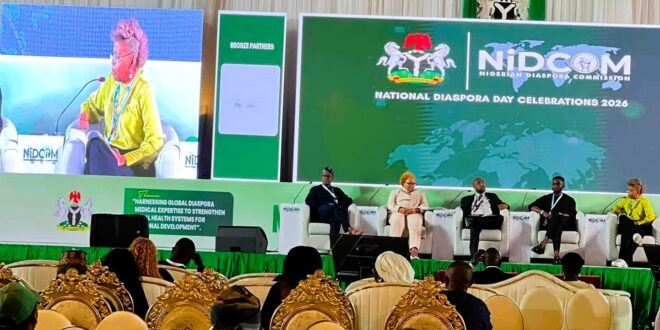
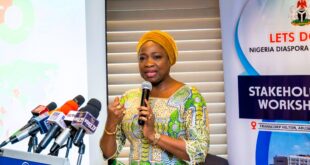
Nigeria’s 2026 National Diaspora Day ended with a push to turn the expertise of Nigerian doctors and other health professionals abroad into a more permanent part of the country’s healthcare system. The two-day event, held on 24 and 25 July at the Presidential Villa in Abuja and attended virtually by Nigerians around the world, followed the government’s pre-event call for the diaspora to play a bigger role in addressing Nigeria’s healthcare challenges.
Themed “Harnessing Global Diaspora Medical Expertise to Strengthen Local Health Systems for National Development”, the event served as a platform for the government to unveil a comprehensive plan to institutionalise diaspora contributions to the healthcare sector.
The Nigerians in Diaspora Commission (NiDCOM) and the Federal Government have now transitioned from dialogue with a series of concrete, actionable decisions aimed at harnessing the expertise of overseas health professionals.

A key outcome of the 2026 Diaspora Day celebrations was President Bola Tinubu’s announcement to establish a permanent platform that will institutionalise the Diaspora Healthcare Impact Initiative (DHII). This framework is designed to coordinate diaspora healthcare contributions, ensure transparency and offer incentives for medical professionals willing to return to Nigeria to practice or invest.
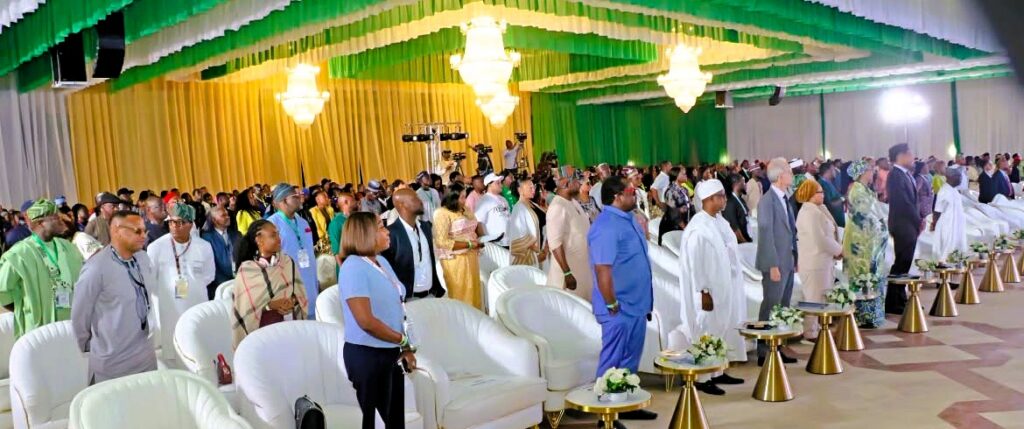
During the event, the President, who was represented by Minister of State for Foreign Affairs, Ambassador Sola Enikanolaiye, outlined a five-point plan to bridge diaspora expertise with local health needs. The actionable decisions include:
- Expanding Medical Missions: Scaling up the DHII medical missions to reach more underserved communities across the nation.
- Strengthening Telemedicine: Enhancing telemedicine services to link specialists abroad directly with patients and health workers in Nigeria.
- Promoting Knowledge Transfer: Fostering partnerships between diaspora professionals and Nigerian universities and teaching hospitals.
- Encouraging Investment: Incentivising diaspora-led investments in hospitals, pharmaceutical manufacturing and medical research.
- Sustaining the Health Workforce: Committing to the implementation of the Health Workforce Migration Policy to sustain the programme.
“We will create a platform that will institutionalize the Diaspora Healthcare Impact Initiatives (DHII) to coordinate contributions, offering incentives for Diaspora medical professionals who return to practice or invest,” President Tinubu declared.
A significant demonstration of the DHII’s impact was the two-week medical mission that preceded the celebrations. Diaspora specialists from Canada, the US, UK, Germany, Australia and South Africa performed complex surgeries, delivered advanced clinical services and trained Nigerian health workers free of charge. According to the Federal Ministry of Health and Social Welfare, the initiative provided nearly 10,000 Nigerians with consultations, specialist surgeries, diagnostics, telemedicine, sickle-cell screening and other services. More than 2,000 frontline healthcare workers were also trained.
Minister of State for Health and Social Welfare Iziaq Salako, speaking at the 2026 Diaspora Day, said the government would work to simplify licensing procedures and facilitate locum arrangements for Nigerian health professionals abroad. It also plans to support customs and visa waivers for medical missions and encourage diaspora investment in hospitals, diagnostic centres and pharmaceutical industries.
Another important commitment is to make collaboration with diaspora health professionals a yearly feature of the Ministry of Health’s calendar, rather than an occasional initiative.
A new Nigerians in Diaspora Advanced Health Programme (NiDAH) Portal and Diaspora Health Registry have also been launched to provide a more structured route for professionals abroad to register their expertise and participate in Nigeria’s health system.

The government’s commitment was further underscored by the National Assembly, which pledged legislative backing for the DHII and renewed its commitment to diaspora voting.
With diaspora remittances rising to over $21 billion in 2025, NiDCOM Chairman/CEO Abike Dabiri-Erewa noted that the commission has moved “from policy to impact”. The 2026 National Diaspora Day has thus cemented a new era of structured, government-backed collaboration, transforming diaspora goodwill into a pillar of national health policy.
For Nigerians abroad, therefore, the significance of Diaspora Day 2026 may ultimately be measured not by the number of doctors who returned for this year’s outreach, but by whether the commitments made in Abuja create a functioning, year-round channel through which their skills can contribute to the direly needed improvements in the Nigerian healthcare system.
Kola Tella
READ ALSO When a summer visit home to Nigeria became much more than a family reunion