 THE AFRICAN COURIER. Reporting Africa and its Diaspora! The African Courier is an international magazine published in Germany to report on Africa and the Diaspora African experience. The first issue of the bimonthly magazine appeared on the newsstands on 15 February 1998. The African Courier is a communication forum for European-African political, economic and cultural exchanges, and a voice for Africa in Europe.
Many Nigerians living abroad know the frustration of trying to build or buy a home back in Nigeria through family members, friends or intermediaries — sometimes with disappointing and costly results. A newly launched diaspora mortgage scheme by the Federal Mortgage Bank of Nigeria (FMBN) aims to offer a safer, more transparent and institutional route to home ownership for Nigerians overseas.
London — For many Nigerians living abroad, owning a house back home is about far more than property. It can represent a connection to family, a sense of belonging, the fulfilment of a lifelong dream and the certainty of having a place to return to. Yet turning that aspiration into reality has often been complicated by unreliable developers, fraudulent property deals, middlemen and the difficulty of accessing mortgage finance from overseas.
A new initiative by Nigeria’s Federal Mortgage Bank of Nigeria (FMBN) is intended to address some of those problems.
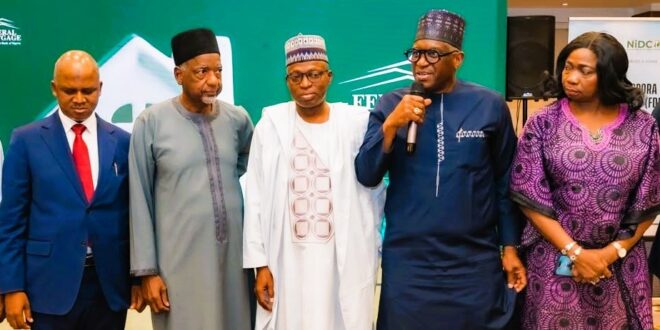
FMBN formally launched its National Housing Fund (NHF) Diaspora Mortgage Loan in London on 7 August, offering Nigerians living abroad a government-backed route to finance a home in Nigeria without having to travel home to complete the process.

The launch brought together senior officials from the Ministry of Housing and Urban Development, the Nigerians in Diaspora Commission (NiDCOM), the Central Bank of Nigeria (CBN), the Nigerian High Commission in the UK and representatives of Nigeria’s mortgage industry and diaspora community.
A mortgage designed for Nigerians abroad
Under the new scheme, eligible Nigerians living overseas can register with the NHF, complete their know-your-customer (KYC) requirements digitally and make contributions remotely. They can then apply for mortgage financing without being physically present in Nigeria.
According to FMBN Managing Director Shehu Usman Osidi, eligible contributors can access up to ₦100 million, subject to affordability and other requirements. The loan carries an interest rate of 9 per cent per year and has a maximum repayment period of 10 years.

The scheme is intended to provide something that has been missing from much of the diaspora property market: an institutional channel through which Nigerians abroad can buy homes with greater confidence.
Housing Minister Muttaqha Rabe Darma, represented at the London launch by Minister of State Yusuf Ata, acknowledged that Nigerians abroad have frequently encountered problems including fraudulent transactions, abandoned projects, unreliable intermediaries and inadequate financing.
He described the new mortgage product as an attempt to restore confidence through “credible institutions, transparent processes and secure financing.”
Beyond individual home ownership
The government is also presenting the scheme as an economic development tool.
FMBN expects increased diaspora participation in the housing market to stimulate residential construction, create employment, support property developers and deepen Nigeria’s relatively limited mortgage market. It could also channel more diaspora capital into the formal economy.
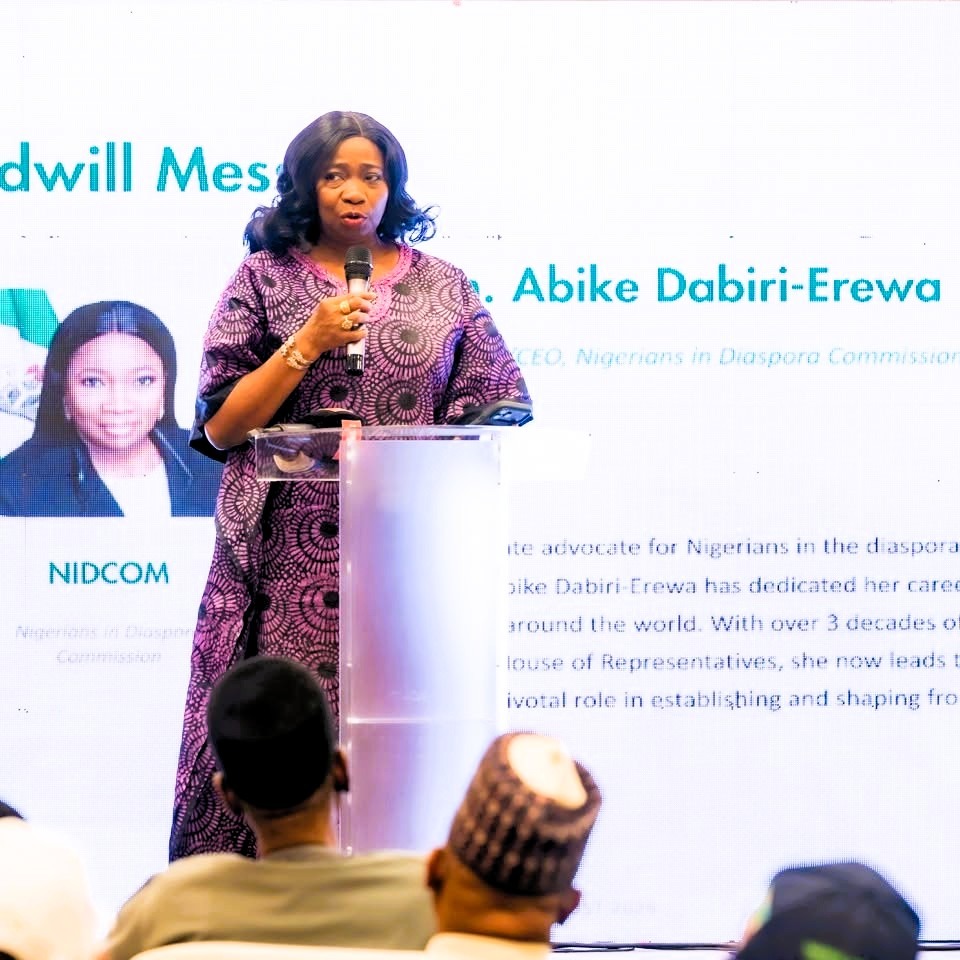
NiDCOM Chairperson Abike Dabiri-Erewa described the initiative in terms of “investment, belonging and trust”, urging Nigerians abroad to use the new mechanism.
That emphasis on trust is significant. Nigerians in the diaspora send billions of dollars home each year, but investment in property has often depended heavily on relatives, friends, agents or developers on the ground. A formal mortgage system does not eliminate the risks associated with property transactions, but it potentially gives buyers a more structured institutional relationship.
The CBN has also been involved in developing the scheme’s risk-management framework, reflecting concerns about ensuring that the product remains financially sustainable.

For the Nigerian diaspora, the real test will now be implementation: whether digital registration works smoothly, whether approved housing projects meet expected standards and whether borrowers can obtain financing without the bureaucratic difficulties that have historically discouraged overseas Nigerians.
If those hurdles can be overcome, the new mortgage window could turn an emotional aspiration —having a home in Nigeria—into a more secure and practical investment.
For many Nigerians living abroad, the opportunity offered by FMBN to own a home in Nigeria will be a welcome development, particularly for those seeking a credible, reliable and institutional pathway to fulfilling a long-held dream.
The real test, however, will be in the implementation. How efficiently and transparently the scheme works in practice will determine whether the hope it has generated among Nigerians in the diaspora is ultimately justified.
Sola Jolaoso