 THE AFRICAN COURIER. Reporting Africa and its Diaspora! The African Courier is an international magazine published in Germany to report on Africa and the Diaspora African experience. The first issue of the bimonthly magazine appeared on the newsstands on 15 February 1998. The African Courier is a communication forum for European-African political, economic and cultural exchanges, and a voice for Africa in Europe.

As geopolitical tensions and economic uncertainty reshape the global landscape, a new EU-wide survey shows that Europeans are looking increasingly to the European Union for stability, security and collective action.
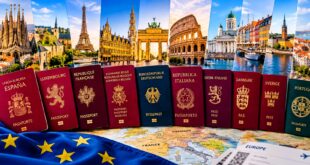
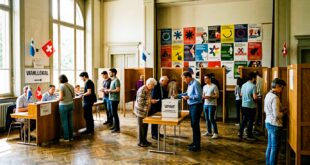
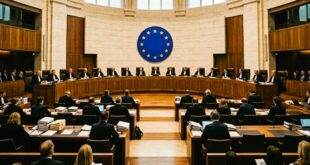
Nine out of ten Europeans believe EU member states should stand more united in responding to global challenges, according to the latest Eurobarometer survey commissioned by the European Parliament. The finding, based on more than 26,000 interviews across all 27 member states, reflects growing public support for closer European cooperation at a time of international conflict, economic volatility and shifting global alliances.
Meanwhile, 58% expressed pessimism about the future of the world, highlighting widespread concern over today’s geopolitical environment, the survey revealed.
Despite these anxieties, confidence in the European project remains remarkably strong. Three-quarters of respondents said they see the EU as an island of stability in a troubled world, while 74% believe their country’s EU membership is beneficial, the highest level of support recorded since the question was first asked in 1983. Respondents identified peace, security and cooperation among member states as the bloc’s greatest strengths.
The findings come against the backdrop of continuing war in Ukraine, instability in the Middle East, growing concerns over global trade tensions and questions about Europe’s long-term security architecture.
Citizens also signalled where they want the EU to focus its energy next. Defence and security topped the list, followed closely by energy independence, which gained six points since last autumn amid ongoing geopolitical strain.
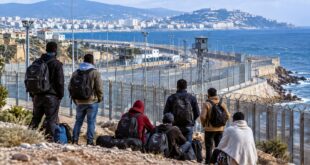
For Africans living in Europe and on the continent, this inward turn in Europe matters. Decisions on migration, international partnerships, development cooperation, trade and security are increasingly being shaped at the EU level rather than solely by national governments.
An EU more focused on its own security, borders and energy self-sufficiency could reshape everything from development funding to migration policy and trade negotiations with African partners. As Brussels weighs how to spend its next long-term budget, the direction European citizens are pushing their leaders toward is one worth watching closely from Lagos to Nairobi to Berlin.
Adira Kallo