 THE AFRICAN COURIER. Reporting Africa and its Diaspora! The African Courier is an international magazine published in Germany to report on Africa and the Diaspora African experience. The first issue of the bimonthly magazine appeared on the newsstands on 15 February 1998. The African Courier is a communication forum for European-African political, economic and cultural exchanges, and a voice for Africa in Europe.
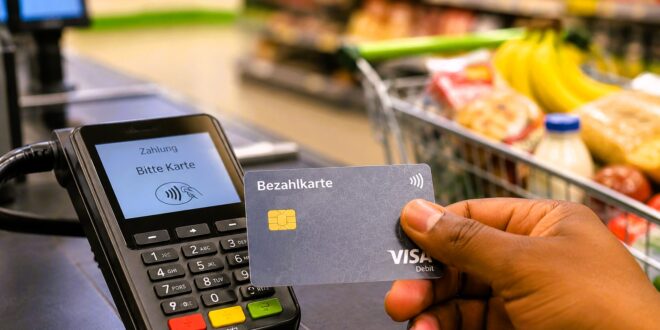
Berlin has become the last of Germany’s 16 federal states to introduce the Bezahlkarte (payment card) for asylum-seekers, ending a long-running delay and bringing the state in line with the rest of the country. From now on, newly arriving asylum-seekers in Berlin will receive their benefits on a card rather than as cash — a change that will directly affect how new arrivals manage their day-to-day finances.
What is changing in Berlin
The Berlin State Office for Refugee Affairs (Landesamt für Flüchtlingsangelegenheiten und Unterbringung, LFU) announced that the new card — called the “Berlin SocialCard” — now applies to all newly arriving asylum-seekers in the city. It works like a standard bank card: holders can pay cashlessly in shops, but cash withdrawals are limited.
Key details for Berlin:
- Cash withdrawal limit: Adults can withdraw up to €50 in cash per month; an additional €50 per month is allowed for each child. This limit applies for the first six months.
- Where it works: The card can be used anywhere in Germany that accepts Visa — not only in Berlin.
- Who is affected: Only people newly arriving and applying for asylum from now on. It is not being applied retroactively to people who are already receiving benefits in cash or by bank transfer.
- Exemptions: People with disabilities who cannot use the card in an accessible way are excluded from the requirement.
Why Berlin introduced it — and why it took so long
LFU president Steffen Weickert said the card is intended to ease pressure on administrative staff. Until now, cash payments to asylum-seekers required frequent in-person appointments at benefits offices, which he said had placed a heavy burden on employees.
Berlin’s introduction of the card had been delayed for well over a year. The city’s governing CDU–SPD coalition was divided over the plan, and the Senate’s social affairs administration cited the need to first ensure IT security and put proper data-protection safeguards in place before rolling it out.
Criticism from refugee advocates
The Refugee Council Berlin (Flüchtlingsrat Berlin), which has opposed the plan for a long time, renewed its criticism following the announcement. “Refugees don’t need a special card,” the organisation said. “They need access to regular bank accounts and the ability to manage their own benefits independently.” The Council argues the card raises concerns about discrimination, data protection, and the cost of running the system.

This criticism echoes concerns raised by refugee organisations across Germany since the card was first introduced elsewhere in the country in 2024 — including that it limits people’s ability to make online purchases, pay for secondhand goods at flea markets or classified listings, transfer money to pay bills (including legal fees), or send remittances abroad. Supporters of the card, including the federal government, say the aim is to prevent benefits from being misused or sent abroad rather than used to cover recipients’ own living costs in Germany.
What this means for you if you are an asylum-seeker in Berlin
- If you are newly arriving in Berlin from now on, expect to receive a Berlin SocialCard rather than cash. You will be able to withdraw up to €50 per month (plus €50 per child) in cash for your first six months, and use the card to pay directly in shops anywhere in Germany where Visa is accepted.
- If you were already receiving benefits in Berlin before this change, the new rule does not automatically apply to you — you should continue receiving your benefits as before unless you are told otherwise.
- If you have a disability that makes the card difficult or impossible to use, you should be exempt — raise this with your caseworker at LFU if you are not.
- If you run into practical problems — for example, needing to pay a lawyer, make an online purchase, or send money for a specific personal need — keep records and speak to your caseworker or a refugee advice organisation, since courts elsewhere in Germany have found that authorities must consider individual circumstances rather than applying blanket rules.
- For further advice, organisations such as the Flüchtlingsrat Berlin and YANA Berlin can help explain your rights and options regarding the card.
We will continue to monitor how the Berlin SocialCard is implemented and report on any changes that affect asylum-seekers and refugees in the capital.
Sola Jolaoso
READ ALSO Germany plans wider use of AI in asylum and migration procedures