 THE AFRICAN COURIER. Reporting Africa and its Diaspora! The African Courier is an international magazine published in Germany to report on Africa and the Diaspora African experience. The first issue of the bimonthly magazine appeared on the newsstands on 15 February 1998. The African Courier is a communication forum for European-African political, economic and cultural exchanges, and a voice for Africa in Europe.
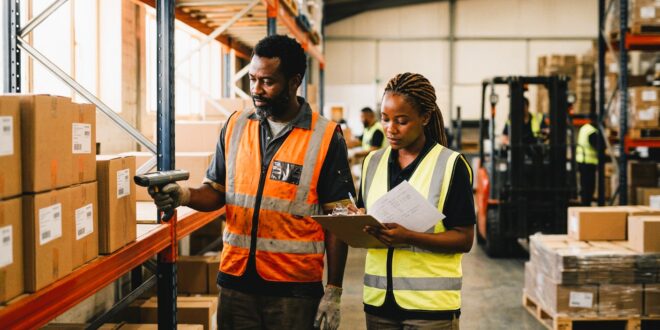
Migrants are becoming ever more central to Germany’s workforce, but many are still working well below their qualifications, and women in particular continue to struggle to find jobs. That’s the picture painted by a new Focus Paper from the Bertelsmann Stiftung, which takes a close look at how migrants are faring on the German labour market.
The numbers underline just how much Germany now depends on foreign workers. As of March 2026, foreign nationals made up 17 percent of all employees subject to social insurance contributions. While the number of German employees actually fell over the past year, employment among foreign nationals rose by 3.4 percent — with workers from non-EU countries driving much of that growth. Without this increase, the report notes, Germany’s overall workforce would already be shrinking.
There’s more good news in the numbers: employment rates among migrants have been climbing steadily for years, and the share relying on basic income support (Bürgergeld) has been falling. Refugees, in particular, tend to gain a stronger foothold in the labour market the longer they stay — nine years after arrival, employment among refugee men actually exceeds the national average.

But the study also points to a persistent problem: many migrants remain stuck in jobs well below their actual qualifications. Even among foreign nationals with a recognised professional qualification, a much larger share ends up working as unskilled labour compared with their German counterparts — a pattern the report links to weak recognition of foreign credentials, language barriers and, in some cases, outright discrimination.
Women are hit hardest. Among refugees who arrived in Germany nine years ago, only around a third of women are in paid employment, compared with more than three-quarters of men — a gap the researchers say is only partly explained by language skills or childcare responsibilities.
The Bertelsmann Stiftung argues that closing these gaps — through faster qualification recognition, better access to language courses, and stronger anti-discrimination measures — would benefit not just migrants themselves, but Germany’s public finances and its ageing labour market as a whole.
Sola Jolaoso