 THE AFRICAN COURIER. Reporting Africa and its Diaspora! The African Courier is an international magazine published in Germany to report on Africa and the Diaspora African experience. The first issue of the bimonthly magazine appeared on the newsstands on 15 February 1998. The African Courier is a communication forum for European-African political, economic and cultural exchanges, and a voice for Africa in Europe.


EbonyLife Place London brings African film, fashion, art, food and music together in a new cultural destination designed to take African storytelling to wider international audiences.
Nigerian media entrepreneur and filmmaker Mosunmola “Mo” Abudu has opened EbonyLife Place London, a new cultural and entertainment centre featuring what its founders describe as the United Kingdom’s first cinema dedicated exclusively to African and Black films.
Located at 208 Wandsworth Road in south London, near Nine Elms, the venue officially opened on 8 October 2026. London Mayor Sadiq Khan attended the opening alongside Abudu, whose EbonyLife Group financed almost the entire project.
At the heart of the centre is the 160-seat Amani Auditorium, designed to provide a dedicated home for African and Black cinema in a city with a large and diverse African diaspora. Its year-round programme will feature Nollywood productions, films from other African countries and works exploring Black experiences in Britain, the Caribbean, the United States and elsewhere.
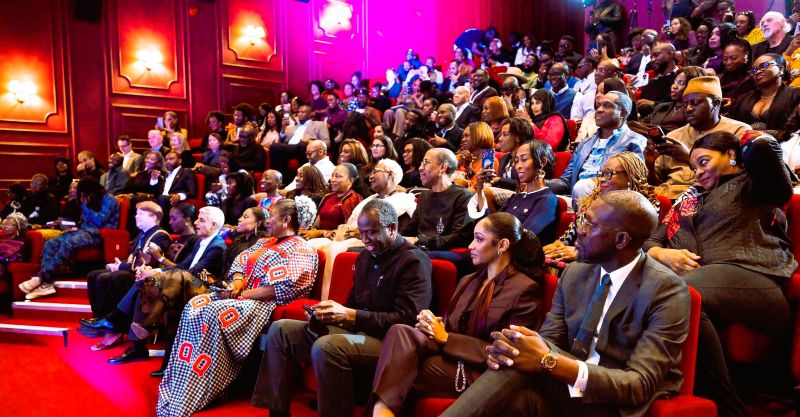
Beyond screenings, the auditorium is expected to host film premieres, industry discussions, masterclasses, live performances and special events, bringing filmmakers and audiences together.
For Abudu, the project addresses a longstanding gap in the British cultural landscape: the limited availability of dedicated spaces where audiences can regularly discover African films and Black storytelling.
“It’s time to tell our own stories,” she told AFP ahead of the opening, explaining her ambition to showcase African creativity and present the continent and its people in their full diversity.
More than a cinema
EbonyLife Place London has been conceived as a wider cultural destination rather than simply a movie theatre. The multi-storey venue combines film with hospitality, fashion, art and social spaces, allowing visitors to experience different aspects of African and diaspora culture under one roof.
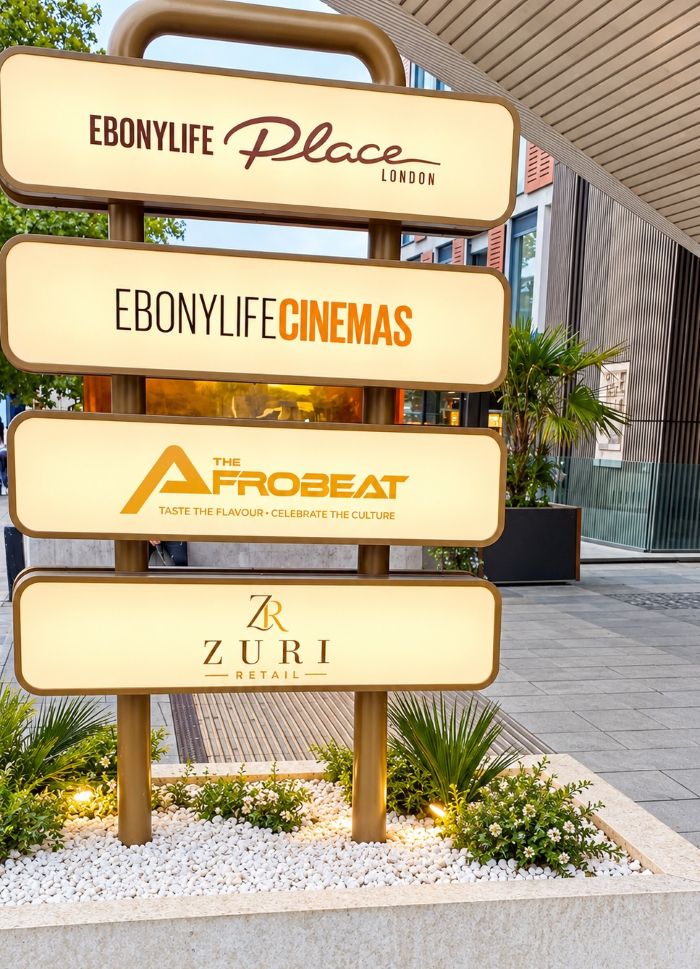
Its facilities include The Afrobeat Restaurant, serving contemporary African cuisine; Fèhìntí Lounge, whose Yoruba name evokes the idea of leaning back and relaxing; and Maji Concession and Bar.
Zuri Retail will showcase fashion, jewellery, design and lifestyle products from African and diaspora designers, while the Living Wall Gallery will present contemporary African and diaspora art and photography.
The combination is intended to create opportunities for cultural exchange and commercial collaboration, connecting filmmakers, artists, designers, entrepreneurs and audiences.
Abudu has described the venue as a space where visitors can discover films, listen to music, explore African fashion and art, enjoy food and meet others. Although rooted in African creativity, the centre is open to everyone, irrespective of nationality or ethnic background. A membership scheme is planned, with further details to be announced.
From Lagos to London
The London opening builds on the original EbonyLife Place in Lagos, which opened in 2019 as a premium lifestyle and entertainment complex combining cinema, dining and social experiences.
Abudu has built EbonyLife into an influential African media business, producing films and television content for Nigerian and international audiences. Her expansion into London reflects a broader ambition to create platforms through which African stories can reach audiences beyond the continent.
The new venue also comes at a time when Nollywood and other African film industries are attracting increasing international attention. Yet visibility does not always translate into consistent access to cinema screens, distribution networks or the commercial infrastructure needed to sustain independent filmmakers.
A dedicated venue could help address part of that challenge by offering a regular platform for films that might otherwise receive limited theatrical exposure. Its planned industry events and masterclasses could also help connect emerging creatives with established professionals and potential collaborators.
Strengthening links between Africa and the diaspora
The project has significance for African communities in Britain and across Europe, many of whom have long sought more opportunities to see their cultures and experiences represented on screen.
For younger generations in particular, access to African films can provide a connection to languages, histories and social experiences that are not always reflected in mainstream cinema. At the same time, the programme’s international scope offers audiences unfamiliar with African cinema an opportunity to discover its diversity beyond the most widely known Nollywood productions.
The opening also coincides with the BFI London Film Festival and Black History Month in the UK, placing the new centre within a wider period of attention to cinema, representation and Black cultural achievement.
Mayor Sadiq Khan welcomed the project as an addition to London’s cultural offering, highlighting its potential to celebrate Black creativity through film, music, art, fashion and food. His attendance also underscored the city’s links with African creative industries and the importance of cultural exchange.
Whether EbonyLife Place London can establish itself as a sustainable home for African and Black cinema will depend on the strength of its programming, audience engagement and relationships with filmmakers and distributors. Its opening nevertheless marks a significant investment in a dedicated space for African storytelling in the British capital.
For African filmmakers and audiences, the ambition is clear: to create a place where African stories are not occasional additions to the cinema programme, but a central part of the cultural experience.
Anne Aduwo, London