 THE AFRICAN COURIER. Reporting Africa and its Diaspora! The African Courier is an international magazine published in Germany to report on Africa and the Diaspora African experience. The first issue of the bimonthly magazine appeared on the newsstands on 15 February 1998. The African Courier is a communication forum for European-African political, economic and cultural exchanges, and a voice for Africa in Europe.

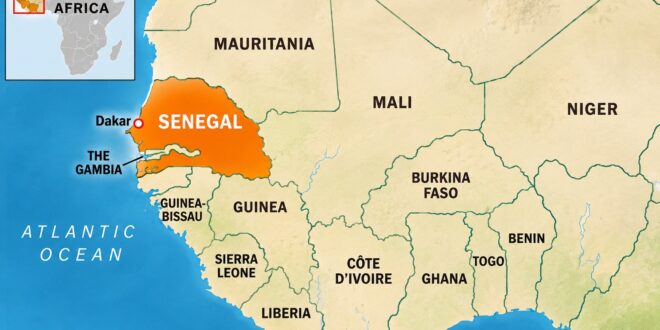
The death of a newborn girl in eastern Senegal has sparked outrage and renewed calls for the strict enforcement of the country’s 1999 law banning female genital mutilation.
A two-day-old baby girl has died in eastern Senegal following suspected female genital mutilation (FGM), prompting condemnation from anti-FGM campaigners and renewed demands for action to protect girls from the harmful practice.
The incident reportedly occurred in Sadatou, in the Goudiry department of the Tambacounda region. According to reports in Senegalese media, the baby, who was born on 11 November 2026, allegedly underwent excision and infibulation without her parents’ knowledge.
The child’s 85-year-old grandmother and another woman are suspected of involvement in the procedure. Both were reportedly arrested by the gendarmerie as investigations into the circumstances surrounding the incident continue.
Following the alleged procedure, the baby developed complications and was taken to the health post in Sadatou. She was subsequently referred to the Dianké Makha health district. According to the Senegalese news website Seneweb, she died on 13 November while being transferred to the regional hospital in Tambacounda.
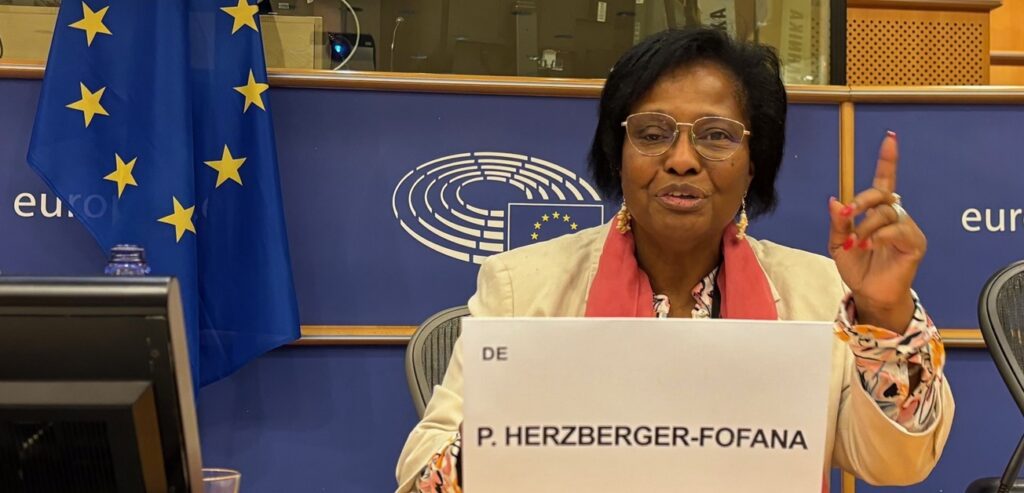
The tragedy has drawn strong condemnation from Dr Pierrette Herzberger-Fofana, former Member of the European Parliament and a prominent campaigner against female genital mutilation. In a statement issued on behalf of INTEGRA, the German Network to End Female Genital Mutilation, she described the death as deeply distressing and condemned excision and all forms of FGM.
“Every girl has the right to grow up free from such violence and to have her bodily integrity respected,” the statement said.
Calls for a thorough investigation
Dr Herzberger-Fofana expressed dismay that such a tragedy could occur nearly three decades after Senegal enacted legislation prohibiting female genital mutilation.
She called for a thorough investigation and insisted that anyone found responsible should face the full force of the law.
Senegal criminalised FGM through Law No. 99-05 of 29 January 1999, which introduced Article 299 bis into the country’s Criminal Code. The provision prescribes prison sentences for those who carry out or attempt to carry out female genital mutilation. The legislation also provides for a much harsher penalty where the practice results in death.
Solidarity with anti-FGM campaigners
On behalf of INTEGRA, Dr Herzberger-Fofana extended condolences to the bereaved family and expressed solidarity with the Fédération Nationale des Organisations pour la Promotion de l’Abandon des Mutilations Génitales Féminines (FENOPAME), Senegal’s national federation of organisations working to end FGM.
She also backed the federation’s appeal to the public to report any threat of excision immediately to the competent authorities, enabling girls at risk to receive protection.
The statement concluded with a renewed call to end the practice: “No to excision and all forms of female genital mutilation!”
The death of the newborn has once again highlighted the urgent need for effective enforcement of laws against FGM, public awareness and community action to protect girls from a practice that can cause severe injury and, as this reported case tragically illustrates, may prove fatal.
Source: Statement by Dr Pierrette Herzberger-Fofana on behalf of INTEGRA, the German Network to End Female Genital Mutilation.