 THE AFRICAN COURIER. Reporting Africa and its Diaspora! The African Courier is an international magazine published in Germany to report on Africa and the Diaspora African experience. The first issue of the bimonthly magazine appeared on the newsstands on 15 February 1998. The African Courier is a communication forum for European-African political, economic and cultural exchanges, and a voice for Africa in Europe.

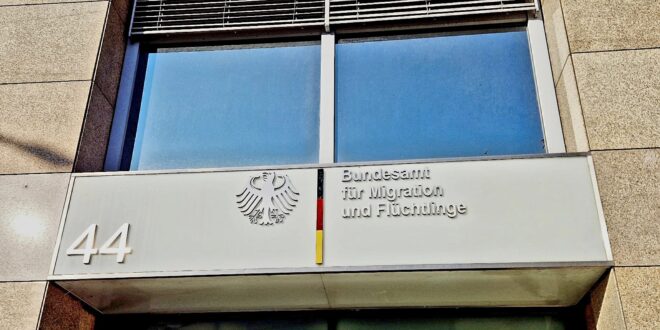
The federal government’s 2027 draft budget would slash funding for independent asylum procedure counselling from €24.5 million to €5 million. The ministry says the remaining money should go to vulnerable applicants. Welfare groups say the plan will leave most asylum-seekers without independent advice.
Berlin, 2 October 2026. The federal government plans to cut funding for independent asylum procedure counselling (behördenunabhängige Asylverfahrensberatung, or AVB) to €5 million next year, down from €24.5 million in 2026. The draft 2027 budget is still being debated in the Bundestag, and the Interior Ministry says the counselling would in future be open only to especially vulnerable asylum-seekers.
migazin
What the ministry says
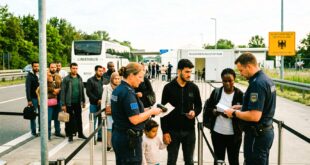
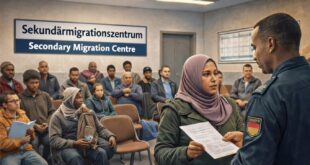
According to the Interior Ministry, only 40 of the current 210 counselling locations would remain. Other refugees would in future be advised by the Federal Office for Migration and Refugees (BAMF) itself, as the Paritätische welfare federation describes the plan. Critics note that this means the authority deciding a case would also be the main source of advice about it.
The cut is the second step in a longer process. The ministry told welfare associations early this year that it wanted to abolish the programme altogether. A reduction of 80 percent is therefore a partial reprieve, though a very limited one. Since 1 January 2023, the Asylum Act has required the federal government to fund independent counselling, which is probably why €5 million remains in the 2027 plan.
What independent counselling does
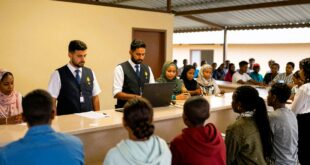
The service was introduced in 2023. Before then, BAMF itself provided the advice. Independent providers, mainly welfare associations, are now commissioned to carry it out, with funding coming from federal money through BAMF. For asylum-seekers, it means someone outside the deciding authority explains the procedure, deadlines and rights, and prepares people for the interview that largely determines the outcome of a claim.
Evaluation: positive, but with limits
The timing of the cut has drawn attention. BAMF’s research centre published an evaluation of the programme on 22 July, commissioned by the Interior Ministry. Welfare groups say it supports continuing the service. Diakonie argues that the evaluation gives good reasons to secure the programme permanently and to integrate it better into official procedures. The Paritätische points to one of the evaluation’s findings: early identification of special protection needs is among the programme’s central effects.
Who is affected
The practical problem, advocates say, is how to tell who is vulnerable. The Paritätische’s Joachim Rock’s colleague called the plan “impossible” on €5 million, asking how vulnerable people would reach counselling when you cannot tell from looking at someone. Trauma survivors, victims of trafficking or torture, LGBTQ+ applicants and people with psychological conditions often do not disclose their situation without trust and support, which is the work independent counsellors do.
For African applicants, the effects could be significant. Claims from many sub-Saharan countries depend on detailed, credible accounts of persecution, for example on political, sexual-orientation or gender-based grounds, and they often arrive without documents. Preparation for the interview can decide whether such an account is understood. With fewer counsellors, more applicants may reach their hearing without that preparation, and more negative decisions may follow, along with more appeals and, eventually, more people obliged to leave. The EU’s new Return Regulation, adopted this week, makes the early stage of the procedure even more important.
Political reaction
Caritas board member Oliver Müller said that saving on migration counselling puts obstacles in the way of integration and risks higher costs for society in the long term, and that good counselling relieves municipalities, authorities and courts. The federal integration commissioner, Natalie Pawlik of the SPD, said that cuts were being made “everywhere” in the asylum and integration field, calling the effect fatal for those arriving and a risk to social cohesion.
The cut also comes alongside other reductions. Funding for integration courses is set to fall from about €1 billion this year to €590 million.
What happens next
The budget is not final. The Left Party has already submitted a parliamentary question asking what the ministry bases its €5 million figure on. The Bundestag can still change the figure before the budget is passed. Welfare associations are expected to lobby members of the governing coalition in the coming weeks.
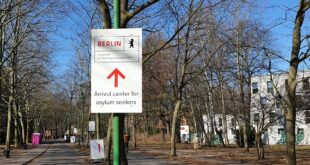
For those currently in the asylum system, counselling continues in 2026 at its present level. Anyone starting a procedure in Germany can ask about free independent advice at their initial reception centre, and refugee councils and welfare associations can help to find it.
Felix Dappah
READ ALSO EU adopts new return rules: What rejected asylum seekers should know