 THE AFRICAN COURIER. Reporting Africa and its Diaspora! The African Courier is an international magazine published in Germany to report on Africa and the Diaspora African experience. The first issue of the bimonthly magazine appeared on the newsstands on 15 February 1998. The African Courier is a communication forum for European-African political, economic and cultural exchanges, and a voice for Africa in Europe.

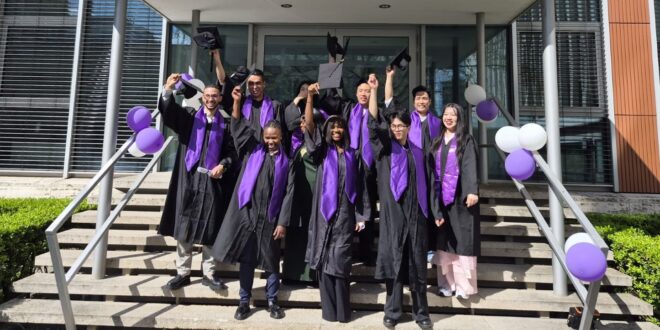
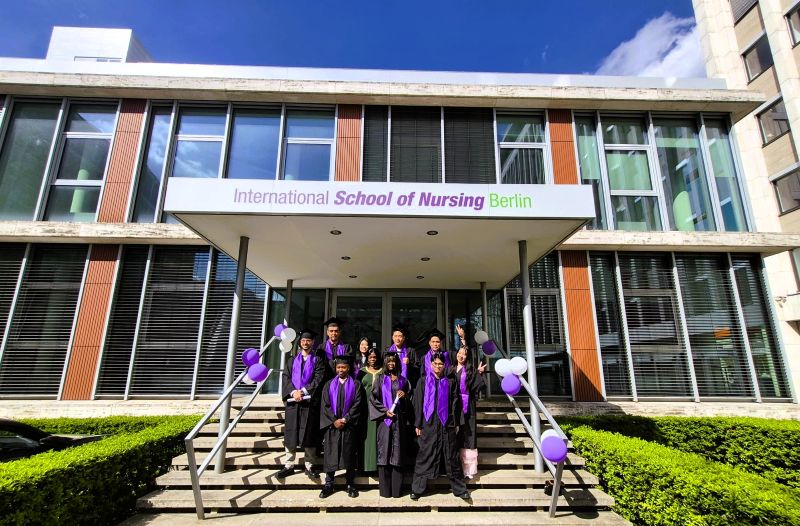
The International School of Nursing Berlin has marked its 4th graduation, cementing its reputation as a pioneering institution that is helping to close Germany’s healthcare staffing gap while opening doors for students from Africa, Asia and the Middle East.
By Femi Awoniyi | Berlin
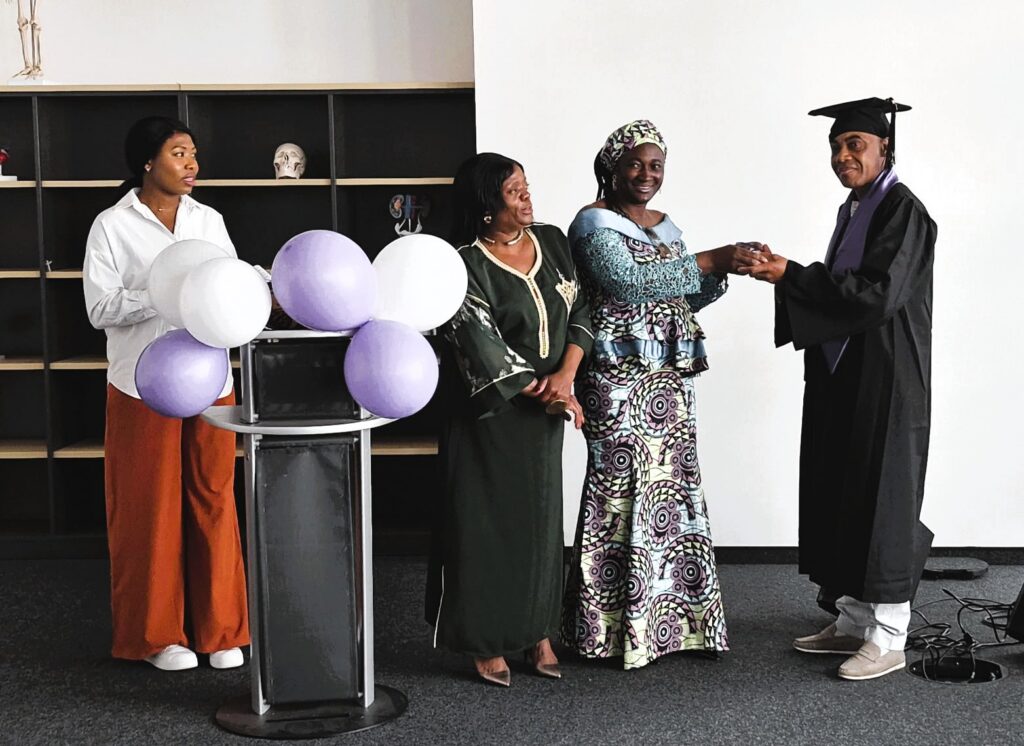
The International School of Nursing Berlin (ISNB) held its fourth graduation ceremony on Friday, 17 April, welcoming a new cohort of qualified nurses into Berlin’s healthcare sector. The event caps another successful year for an institution that has quietly become one of the capital’s most distinctive contributions to national healthcare training — and a powerful symbol of African entrepreneurial achievement in Germany.
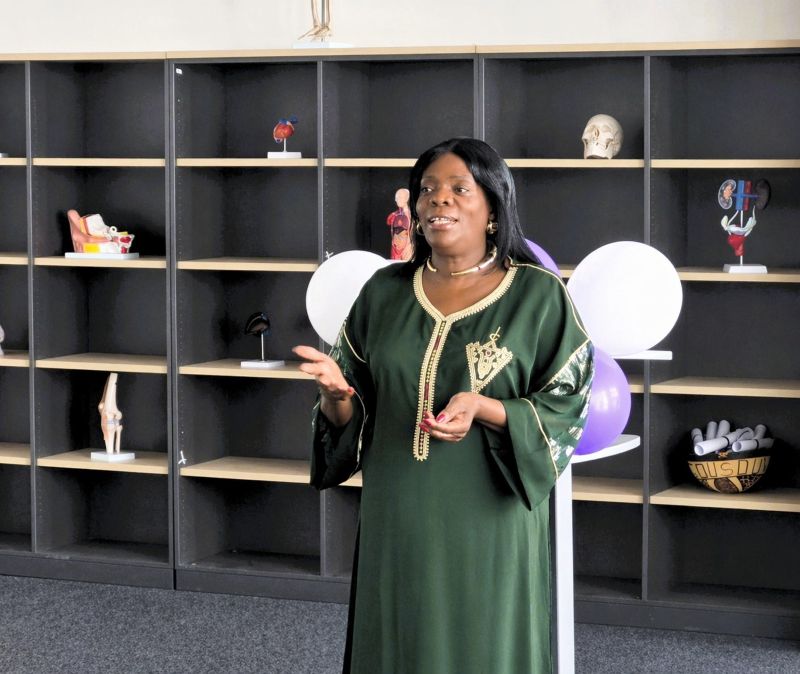
Since its founding in 2022 by Zimbabwean-born nurse and educator Jane Saidi, ISNB has now trained a cumulative total of 70 nurses, every one of whom has gone on to secure employment in Berlin’s healthcare system. That figure, shared by Mrs Saidi at the ceremony, is a striking testament to the school’s model: rigorous training, wraparound student support and a deliberate focus on learners who might otherwise struggle in Germany’s demanding nursing education system.
Born from Personal Experience
In her address to the graduating class, Saidi described the circumstances that led her to establish the school. Having observed, over years of working in the German healthcare sector, the particular difficulties faced by foreign nursing students — from navigating bureaucratic recognition procedures to overcoming language barriers — she resolved to create an institution that would be built around those challenges rather than despite them.
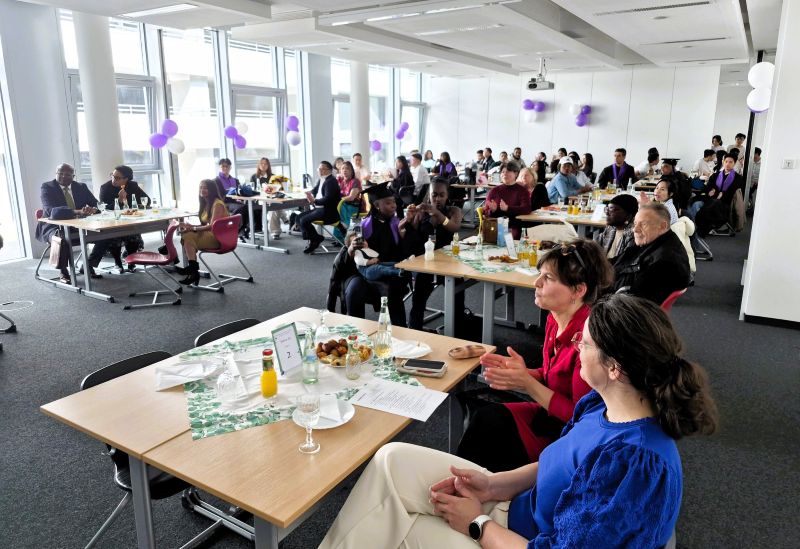
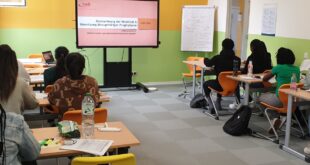
The three-year training programme, which combines classroom instruction with placement in hospitals and care homes, prepares students not only for the German nursing qualification but also for the realities of working in a new country and culture.
Honour Roll of Many Nations
This year’s 15 graduates represented seven countries: Morocco, Turkey, Vietnam, Cameroon, the Republic of Congo, Kenya and Egypt. The ceremony reflected that international breadth through cultural performances, adding a celebratory dimension that went well beyond a standard graduation event.
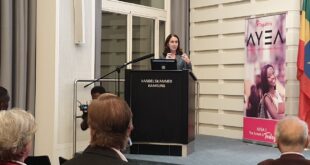
In her address, Mrs Akounda Mouya, who stood in for Her Excellency Edith Antoinette Itoua, the Republic of Congo’s ambassador to Germany, urged the new nurses to approach their vocation with seriousness and dedication, describing nursing as a calling as much as a profession. She also paid tribute to Saidi’s achievement in founding and sustaining a nursing school in Germany, expressing particular pride that an African woman was making such a visible contribution to the country’s healthcare system.
The Embassy of Vietnam was represented by Mrs Vu Xuan Thinh, who noted the strong relationship that has developed between the school and the Vietnamese diplomatic mission in Berlin. Six Vietnamese nationals were among this year’s graduating class. Thinh relayed the warmth with which Vietnamese students had spoken of the support they received from the school and Mrs Saidi herself, whom many described in terms echoing those heard at last year’s ceremony: a figure who went well beyond her formal duties to help students navigate life in a new country.
Filling a Structural Gap
The school’s work takes place against a backdrop of a worsening shortage of care workers in Germany. According to the Institute of the German Economy, the country is currently short of around 200,000 care workers, a figure projected to rise to 500,000 by 2030. With some 1,500 nursing schools already operating across the country, competition for German-speaking domestic candidates is intense, making institutions that actively recruit and support international trainees increasingly important to the sector’s future.
For aspiring nurses from Africa and elsewhere in the Global South, Saidi’s advice is direct: invest in German language skills first. “Language is the biggest barrier,” she said. “But once you overcome it, the doors in Germany open wide.”
Story Worth Telling Again
In just five years, ISNB has evolved from an idea into a fully fledged institution — a nursing school producing qualified professionals for one of Europe’s most demanding healthcare labour markets. As the 70th graduate received their certificate, the school was already stepping confidently into its next chapter.
READ ALSO African-owned nursing school empowers international students in Germany