 THE AFRICAN COURIER. Reporting Africa and its Diaspora! The African Courier is an international magazine published in Germany to report on Africa and the Diaspora African experience. The first issue of the bimonthly magazine appeared on the newsstands on 15 February 1998. The African Courier is a communication forum for European-African political, economic and cultural exchanges, and a voice for Africa in Europe.

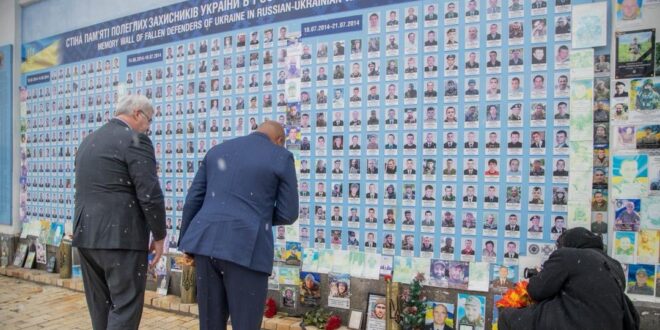
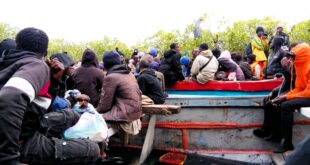
A growing number of African nationals are being drawn into Russia’s war against Ukraine. What investigators, journalists and governments have pieced together is a troubling picture of systematic deception. Young men targeted in countries where unemployment is high and poverty is prevalent are lured with the promise of well-paid civilian jobs and then coerced into military service on some of the war’s most dangerous front lines.
— SPECIAL REPORT —

Recruitment Through Compelling Deception
Recruits are typically told they will be hired as drivers, construction workers or security personnel. On arrival in Russia, their passports and identity documents are seized. They are then presented with military contracts written in Russian — a language that, according to CNN investigations, none of the African recruits they interviewed were able to read. Refusal to sign, survivors report, is met with threats.
The financial incentives are designed to be compelling. Recruiters reportedly offer signing bonuses of between $13,000 and $23,000, monthly pay of up to $3,500 and the prospects of Russian citizenship upon completion of service. The reality, documented by multiple human rights researchers, is starkly different: minimal or no military training, immediate deployment, and casualty rates described by Ukrainian military analysts as extremely high.
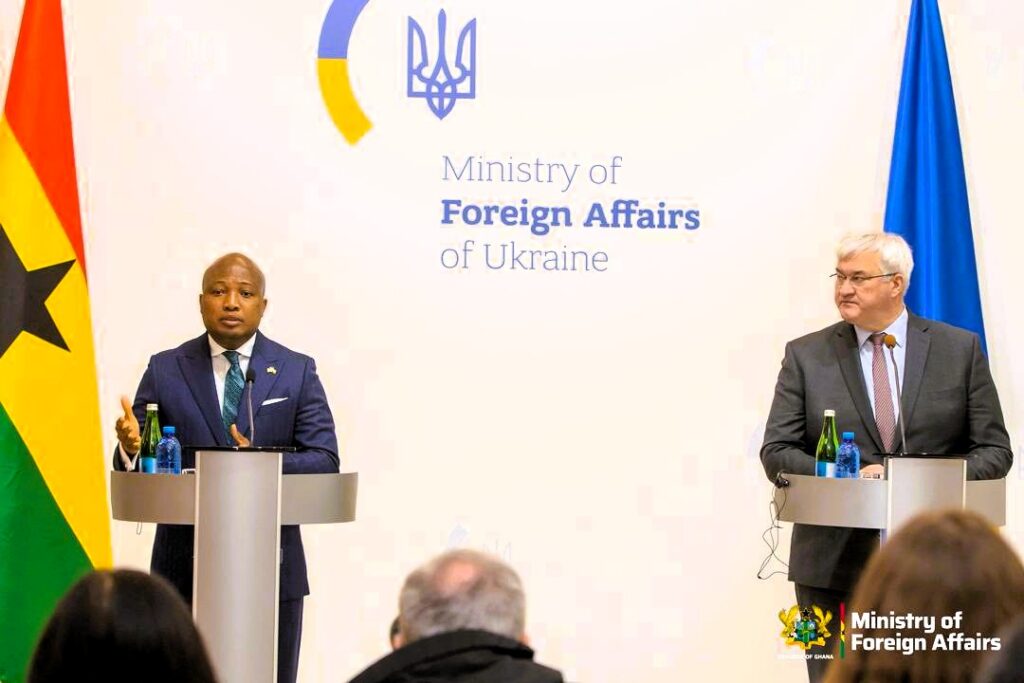
The scale of the phenomenon is significant and growing. At a joint press briefing in Kyiv on 25 February 2026 with his Ghanaian counterpart, Ukrainian Foreign Minister Andrii Sybiha stated that more than 1,780 Africans from at least 36 countries were then serving in Russian military units — a figure that had climbed from around 1,400 reported in November 2025. These are conservative estimates as researchers believe actual numbers may be higher.
Countries confirmed to have had citizens recruited include Kenya, Ghana, South Africa, Cameroon, Egypt, Uganda, The Gambia and Nigeria. According to the report of ‘Investigations With Impact’, Egyptians and Cameroonians form the two largest contingents among African recruits.
Abuse Videos Spark African Response
In January 2026, video footage began circulating on social media that significantly intensified pressure on African governments to respond. The clips, which were authenticated by several international news organisations, appeared to show African soldiers being mistreated by Russian military personnel, who referred to them using dehumanising language.
In one sequence that drew particular condemnation, an African recruit appeared to be marched at gunpoint with an explosive device attached to him. The footage gave concrete form to accounts that had previously circulated only through survivor testimony and accelerated diplomatic engagement across the continent.
African governments are therefore increasingly under pressure to act. In Kenya, where the issue has sparked public outcry, the country’s National Intelligence Service reported that as many as 1,000 citizens had been recruited through deceptive schemes — a figure that grew significantly from earlier government estimates of around 200. Nairobi moved to shut down more than 600 employment agencies suspected of channelling citizens abroad through fraudulent offers and arrested a number of individuals alleged to have operated as recruitment agents.
The most consequential development came on 16 March 2026, when Foreign Affairs Minister Musalia Mudavadi announced that Kenya and Russia had reached a mutual understanding under which Kenyan nationals would no longer be enlisted to serve in the Russian armed forces. Mudavadi said the agreement followed direct discussions between himself and Russian Foreign Minister Sergei Lavrov. Kenya is also working through bilateral diplomatic channels to assist citizens still believed to be in or near active combat zones and facilitate their return.
Ghana has been among the hardest hit. Foreign Minister Samuel Okudzeto Ablakwa confirmed that at least 55 Ghanaians had been killed — the highest officially confirmed death toll of any single African country in the war — with 272 citizens lured into the conflict since 2022 and two currently held as prisoners of war by Ukraine. Ghana has stepped up public awareness campaigns and is pushing for continental action through the African Union to dismantle recruitment networks. However, Ablakwa told international media that responses from the Russian side ‘have not been forthcoming.’
South Africa’s engagement with the crisis has been shaped in part by a political scandal at home. Duduzile Zuma-Sambudla, a member of parliament representing the uMkhonto weSizwe party led by her father, former President Jacob Zuma, was accused of facilitating the travel of 17 South African men to Russia.
Critics alleged the men were being recruited for military service under false pretences. Zuma-Sambudla resigned her parliamentary seat following the allegations but denied any wrongdoing, stating in a sworn affidavit that she understood the men to be undertaking lawful training. The matter remains a subject of public controversy in South Africa.
Meanwhile, President Cyril Ramaphosa has intervened directly, telephoning President Vladimir Putin to press for the release of the men. Eleven of the seventeen returned to Durban in late February 2026. South African authorities have also opened wider investigations into recruitment operations in the country, including alleged connections to entities linked to Russian paramilitary structures.
African Women Making Drones
While most reporting has focused on men deployed as combatants, researchers have flagged a separate pattern targeting women. According to investigators tracking the recruitment networks, women from South Africa and elsewhere in sub-Saharan Africa are being lured into Russia through social media advertisements promoting jobs in catering and hospitality.
On arrival, they are reported to find themselves working in facilities connected to drone manufacturing. This dimension of the crisis has received comparatively little official or media attention but is regarded by analysts as part of the same broader exploitation infrastructure.
Ukraine’s Position and Russia’s Narrative
Kyiv has consistently characterised African recruits as casualties of Russian exploitation rather than as hostile combatants. Ukrainian officials have publicly urged any African soldiers in Russian service to surrender, pledging that they would be treated in accordance with international law governing prisoners of war.
Ukraine has also indicated willingness to support repatriation efforts where possible, viewing the issue as an opportunity to highlight the human costs of Russia’s reliance on foreign fighters.
Moscow, on the other hand, has disputed the characterisation of its African recruitment as coercive. Kremlin spokesperson Dmitry Peskov, responding to media queries, dismissed the framing of foreign recruits being ‘lured’ into service, describing those who had joined as individuals who chose to do so out of ideological alignment with Russia’s stated goal of building a multipolar world order. Independent journalists and researchers who have interviewed African recruits and survivors have consistently found accounts that contradict this official position.
Why Russia Recruits Foreign Fighters
The scale of African recruitment cannot be understood in isolation from Russia’s acute manpower difficulties. In July 2025, President Putin formalised the legal basis for foreign military service by issuing a decree permitting non-Russian nationals to enlist — a document that analysts noted was conspicuously vague on the conditions under which such enlistment could take place.
Researchers at the Africa Defense Forum and the Robert Lansing Institute have concluded that the targeting of African nationals is not opportunistic but deliberate — shaped by an assessment that high unemployment, widespread poverty and weak bilateral enforcement capacity make populations in several African countries particularly vulnerable to fraudulent recruitment.
A Coordinated Response Is Needed
Individual governments are responding — some more forcefully than others — but analysts argue that bilateral diplomacy alone is insufficient. The networks facilitating recruitment operate across borders and adapt quickly when individual agencies are shut down. What is required, in the view of researchers and diaspora advocates, is a sustained continental response: coordinated law enforcement cooperation, Africa Union-level diplomatic pressure on Moscow, and well-funded public information campaigns that reach communities where fraudulent recruiters are most active.
For the men and women already caught up in this crisis — deployed to trenches in a war they did not knowingly enlist in, far from their families and often without documents — the pace of diplomatic progress matters enormously. Each month of delay is, for some, the difference between return and another name added to a growing casualty list.
© AfricanCourierMedia