 THE AFRICAN COURIER. Reporting Africa and its Diaspora! The African Courier is an international magazine published in Germany to report on Africa and the Diaspora African experience. The first issue of the bimonthly magazine appeared on the newsstands on 15 February 1998. The African Courier is a communication forum for European-African political, economic and cultural exchanges, and a voice for Africa in Europe.

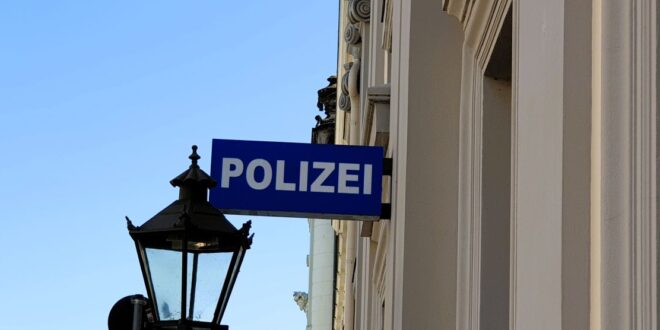
Germany’s Federal Police Commissioner (Bundespolizeibeauftragter), Uli Grötsch, has acknowledged that incidents of racial discrimination experienced by Black people and other People of Colour are reported far too rarely through official channels, limiting the ability of authorities to investigate and address misconduct within the police.
Speaking in Berlin, Grötsch said he regularly hears accounts of discriminatory behaviour by federal police officers, yet only a small fraction of these experiences are formally submitted to his office. This discrepancy, he noted, is a major obstacle. Without official complaints, cases cannot be examined, patterns cannot be identified and institutional reforms remain difficult to implement.
Grötsch, who took office in March 2024 as the first Federal Police Commissioner whose function includes oversight and representation, announced that a key focus of his work in 2026 will be outreach to Black organisations and People of Colour networks across Germany. An initial meeting with community representatives has already taken place, and further engagement with civil society is planned in the coming months.
At the heart of the problem lies a lack of trust, experts say. Many of those most affected by discriminatory policing do not believe that filing a complaint will lead to justice or change. Grötsch made clear, however, that his office exists precisely to deal with such cases independently. His message, though indirect, is unmistakable: discrimination that is not officially reported cannot be properly addressed.
This intervention comes against the backdrop of growing evidence of widespread everyday racism. Recent studies, including findings reported by The African Courier, show that Black people in Germany experience discrimination far more frequently than the general population, including in encounters with the police. Yet these experiences are often endured in silence, with victims choosing not to file formal complaints due to fear of repercussions, lack of information or deep-seated mistrust of institutions.
Grötsch’s approach also includes internal reforms. He has called for stronger sensitisation of federal police officers during training and professional development, particularly around language, behaviour and unconscious bias. Understanding discriminatory terminology and symbols, he argued, should be considered as essential as recognising extremist insignia.
For Black communities in Germany, the commissioner’s remarks raise an important challenge. If racism and discriminatory policing are to be tackled effectively, experiences must move from private conversations into official records. Filing a complaint is not merely a bureaucratic act; it is a political and civic one, helping to expose systemic problems and push institutions towards accountability.
As public debate on racism in Germany intensifies, Grötsch’s initiative places responsibility on both sides: on the police to earn trust through transparency and reform, and on victims of discrimination to assert their rights by making their voices formally heard. Only then, it seems, can meaningful change begin.
Sola Jolaoso