 THE AFRICAN COURIER. Reporting Africa and its Diaspora! The African Courier is an international magazine published in Germany to report on Africa and the Diaspora African experience. The first issue of the bimonthly magazine appeared on the newsstands on 15 February 1998. The African Courier is a communication forum for European-African political, economic and cultural exchanges, and a voice for Africa in Europe.


Over 60% of African countries now face costly bonds or travel restrictions, highlighting the growing global mobility gap compared with European citizens, for example.
In recent months, the United States has introduced sweeping visa policy changes that disproportionately affect travellers from Africa, adding new obstacles to business trips, tourism and family reunification. Central to these changes is an expanded B‑1/B‑2 visa bond program, under which applicants from certain countries — many in Africa — may be required to post refundable bonds ranging from $5,000 to $15,000 to obtain a visa.
Initially launched in 2025 for a limited set of countries with high rates of visa overstays, the program was expanded on 1 January 2026, to include 13 additional nations, mostly African. These include Botswana, Central African Republic, Guinea, Guinea‑Bissau and Namibia, joining earlier additions such as Mauritania, São Tomé and Príncipe, Tanzania, The Gambia, Malawi and Zambia. The bonds, refunded only if visa holders comply with regulations and depart on time, present a substantial financial barrier for many ordinary travellers.
The program is set to grow further on 21 January 2026, with 25 more countries — including Algeria, Angola, Benin, Côte d’Ivoire, Gabon, Nigeria, Senegal, Togo, Uganda, and Zimbabwe — being added. Overall, more than 60 percent of African nations now face either visa bond requirements or travel restrictions. At the same time, the US has suspended immigrant visa processing for citizens of 75 countries, including many African states, leaving family reunification and long-term migration pathways effectively blocked.
These measures have drawn criticism for creating a system in which travel becomes contingent on wealth rather than eligibility. Bonds of up to $15,000 put legal entry out of reach for many citizens from low-income countries, privileging only the relatively affluent. Small business owners, students, healthcare professionals, and families with loved ones in the US now face substantial upfront costs and heightened scrutiny, transforming routine travel into a burdensome and costly process.
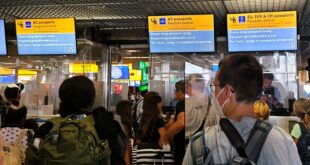
This US policy starkly illustrates the broader global mobility gap. While many African nationals are now constrained by financial and bureaucratic barriers, citizens of countries like Germany, Canada and most European Union states enjoy visa-free or visa-on-arrival access to well over 180 destinations. The contrast underscores how citizenship continues to determine access to opportunity and international engagement, reinforcing structural inequalities in global mobility.
As the bond program continues through at least August 2026, African governments and civil society groups are monitoring the impact closely. Some are exploring diplomatic responses or reciprocal measures, but the immediate effect is clear: millions of ordinary Africans face new hurdles to travel, work, study and connect with family abroad, deepening the divide in global freedom of movement.
Kola Tella