 THE AFRICAN COURIER. Reporting Africa and its Diaspora! The African Courier is an international magazine published in Germany to report on Africa and the Diaspora African experience. The first issue of the bimonthly magazine appeared on the newsstands on 15 February 1998. The African Courier is a communication forum for European-African political, economic and cultural exchanges, and a voice for Africa in Europe.

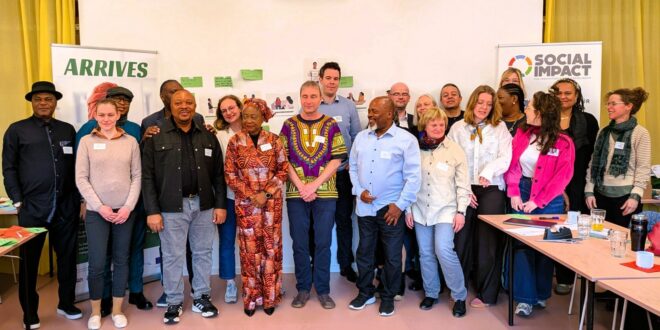
A high-level Nigerian government team visited Berlin and Munich in March to strengthen a pioneering EU-funded programme that offers rejected asylum seekers and undocumented Nigerians in Germany a structured, supported path home rather than the sudden trauma of forced deportation.
For Nigerians living in Germany without secure residency — including those whose asylum applications have been refused — the threat of deportation is a constant shadow. An EU-funded programme called ARRIVES is working to change the terms of that conversation, offering an alternative: voluntary return, with pre-departure counselling, individual coaching and concrete economic support waiting on the other side.
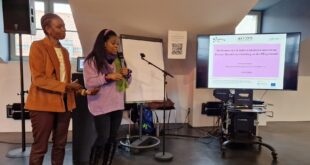
The ARRIVES project team from Social Impact gGmbH, the German organisation that coordinates the programme, recently hosted a delegation of senior Nigerian government officials who visited Berlin and Munich to deepen the cooperation that makes that alternative possible.
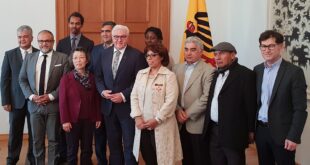
The three-day visit, which took place from 18 to 20 March 2026, was led by Her Excellency Catherine Imaji Udida, Director at Nigeria’s National Commission for Refugees, Migrants and Internally Displaced Persons (NCFRMI). She was accompanied by senior representatives from key Nigerian institutions and implementing partners, including: Mr Alex Oturu, Assistant Director, NCFRMI; Mr Shuaibu Haruna, Deputy Director, the Small and Medium Enterprises Development Agency of Nigeria (SMEDAN); Mr Roland Nwoha, Country Director, the Initiative for the Reintegration and Rehabilitation of Returnees (IRARA); Mr Ben Beuchel, Programme Officer, International Trade Centre (ITC); Mr Emeka Okafor, Project Coordinator, ITC; Mr Stephan Kelm, ARRIVES Project Lead, Social Impact; Ms Laura Reinstorf, Head of Project Coordination, Social Impact; and other project team members of the ARRIVES consortium.
What ARRIVES Does — and Why It Matters
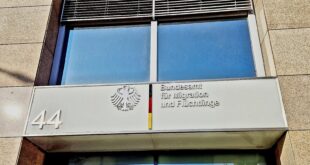
ARRIVES — funded by the European Union through the Asylum, Migration and Integration Fund (AMIF) and implemented in partnership with Germany’s Federal Office for Migration and Refugees (BAMF) — targets Nigerians in Germany with insecure or lapsed residency status and offers them something rarely available in standard deportation procedures: time, information and agency. Through pre-departure counselling and structured reintegration planning, participants are helped to make an informed decision to return on their own terms, with a tailored plan for what comes next.
In Nigeria, IRARA and the ITC then provide business development coaching, employment support and market integration assistance — with the aim of giving returnees a viable economic foundation rather than putting them back in the circumstances that prompted them to leave their homeland in the first place.
The programme’s central ambition is to make voluntary return not merely a bureaucratic option, but a genuinely viable and dignified alternative to the threat of forced removal.
Why the Delegation Came to Germany
The March visit had a specific and practical purpose: “to strengthen cooperation between German and Nigerian stakeholders in order to position voluntary return as a viable and preferable alternative to imminent deportation”.
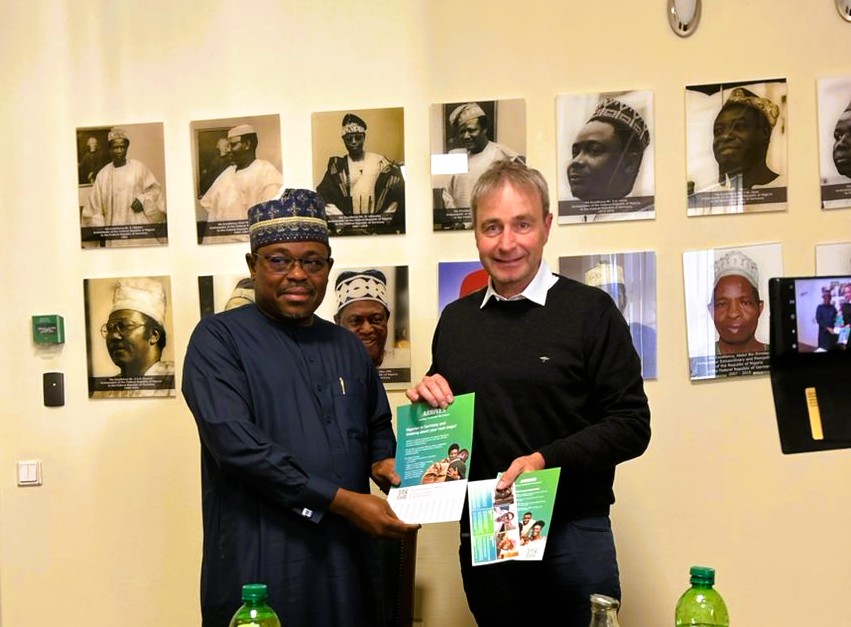
Meetings at the Nigerian Embassy in Berlin, attended by Chargé d’Affaires, His Excellency Mohammed Bashir Basha, produced an agreement to establish a formal partnership between the Embassy and the ARRIVES project partners — a step that should improve the early identification of Nigerians who might benefit from the programme and strengthen community outreach to make more people aware of it as an option.
The delegation discussed adjusting when Emergency Travel Certificates are issued by the Nigerian Embassy — the document required for Nigerians to return if they lack a valid passport — so that counselling and reintegration planning can take place before departure, rather than being compressed into the final days before removal.
Challenges Laid Bare in Munich
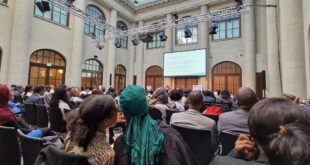
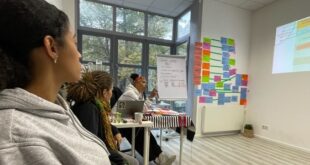
A stakeholder dialogue in Munich brought together the Nigerian delegation with German authorities and civil society organisations to take stock of what makes the programme difficult to implement in practice. The discussions were candid. Participants identified a lack of trust in government institutions as a recurring barrier — many Nigerians with insecure residency are reluctant to engage with any official process, fearing that contact with authorities will accelerate rather than humanise their departure.
The stigma attached to return was also flagged: for many people, going back is still associated with failure, and that perception makes it harder to reach those who might most benefit from structured support.
The specific vulnerabilities of women in return processes were also highlighted, alongside the importance of involving community networks — rather than relying on official channels alone — in identifying and supporting potential participants.
What Comes Next?
Following the visit, both sides agreed on concrete next steps: the establishment of a joint task force between ARRIVES representatives and the Nigerian Embassy, intensified cooperation with German counselling services and immigration authorities, and the further development of outreach strategies to make the programme more visible to eligible Nigerians across Germany.
The ARRIVES model represents a serious attempt to carve out space, within a system that too often reduces human beings to case numbers, for a process that is at least grounded in the possibility of a life rebuilt rather than merely a removal completed.
For the Nigerian community in Germany, the programme’s expansion of its embassy partnership and its push to reach people earlier in the process are meaningful developments.
© The African Courier 2026
________
Source: ARRIVES Programme Press Release, Social Impact gGmbH / ITC / IRARA, March 2026.