 THE AFRICAN COURIER. Reporting Africa and its Diaspora! The African Courier is an international magazine published in Germany to report on Africa and the Diaspora African experience. The first issue of the bimonthly magazine appeared on the newsstands on 15 February 1998. The African Courier is a communication forum for European-African political, economic and cultural exchanges, and a voice for Africa in Europe.

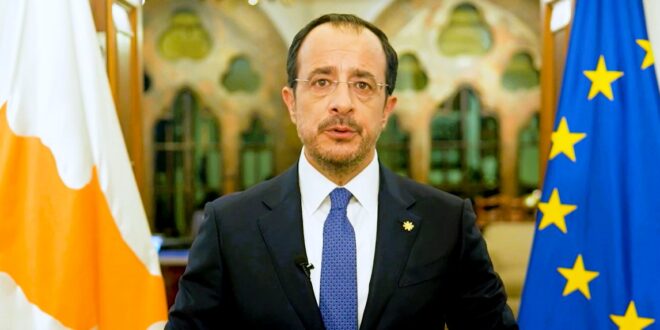
As Cyprus assumes its six-month presidency of the European Union (1 January – 30 June 2026), the Mediterranean island is moving quickly to underline its priorities — with migration control and returns high on the agenda. These developments are being followed with concerns by refugee support groups.
In recent weeks, Cypriot authorities have intensified the removal of people whose asylum applications had been rejected. Since mid-December, more than 160 deportations have been carried out, alongside nearly 500 voluntary returns, many of them organised through official programmes. While authorities present the measures as administrative necessity, they also signal a broader shift towards stricter migration enforcement at a sensitive moment for thousands of migrants.
Cyprus has long been a frontline state for irregular migration, hosting one of the EU’s highest migrant populations relative to its size. Reception and detention facilities have struggled with overcrowding, and officials say the current drive aims to ease pressure on the system. At the same time, the intensified returns are widely seen as a political signal to Brussels, as Cyprus seeks to prove it can effectively manage an external EU border — a key consideration in its ambition to join the Schengen area in 2026.
Migration Takes Centre Stage in the EU Presidency
President Nikos Christodoulides has framed Cyprus’ EU presidency around the idea of a Union that protects its borders and strategic interests. Migration is expected to dominate discussions across several policy areas, from security to external relations.
One of the most sensitive debates gaining momentum is the proposal to establish return hubs outside the EU, where rejected asylum-seekers would be transferred before eventual deportation. Several EU countries support the idea, arguing it would make returns more efficient. High-level meetings in Cyprus, including visits by senior European interior ministers, have given the proposal fresh visibility.
Calls for Caution and Humanity
International migration experts have welcomed closer coordination but are urging policymakers to proceed carefully. The International Organization for Migration has emphasised that returns must be humane, dignified and consistent with international law, warning that rushed or poorly designed measures could worsen the vulnerabilities migrants already face.
With the EU’s new Pact on Migration and Asylum expected to take effect later this year, Cyprus’ presidency is emerging as a critical testing ground for Europe’s future approach to migration.
For African refugees — many of whom flee conflict, economic hardship or climate pressures — the coming months will be decisive. As Europe debates efficiency and control, migrant communities hope that human dignity, protection and shared responsibility will remain central to the conversation.
Adira Kallo